Ecosystems Lens
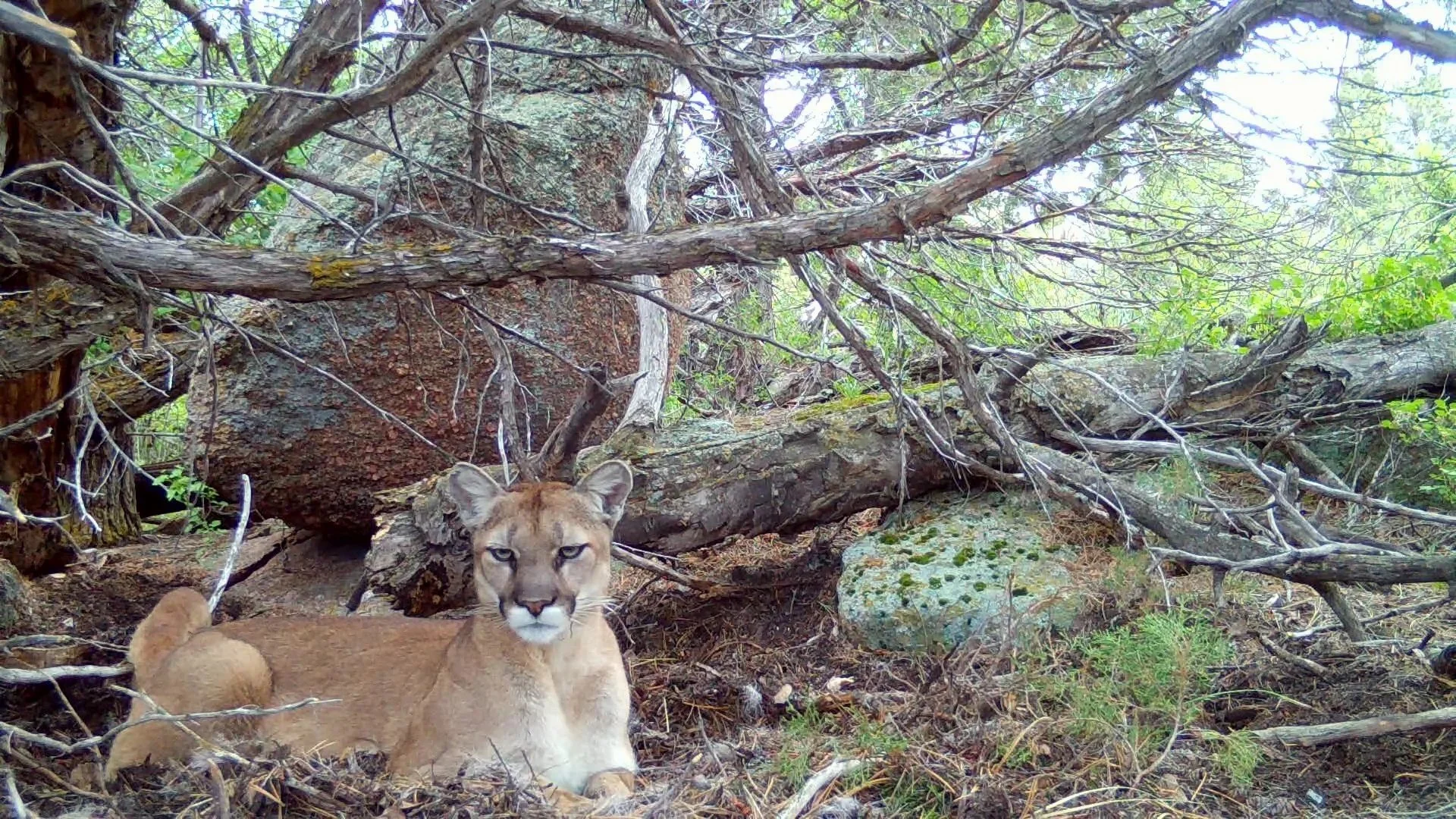
Female mountain lion laying on top a mule deer carcass that she is sharing with her kittens.
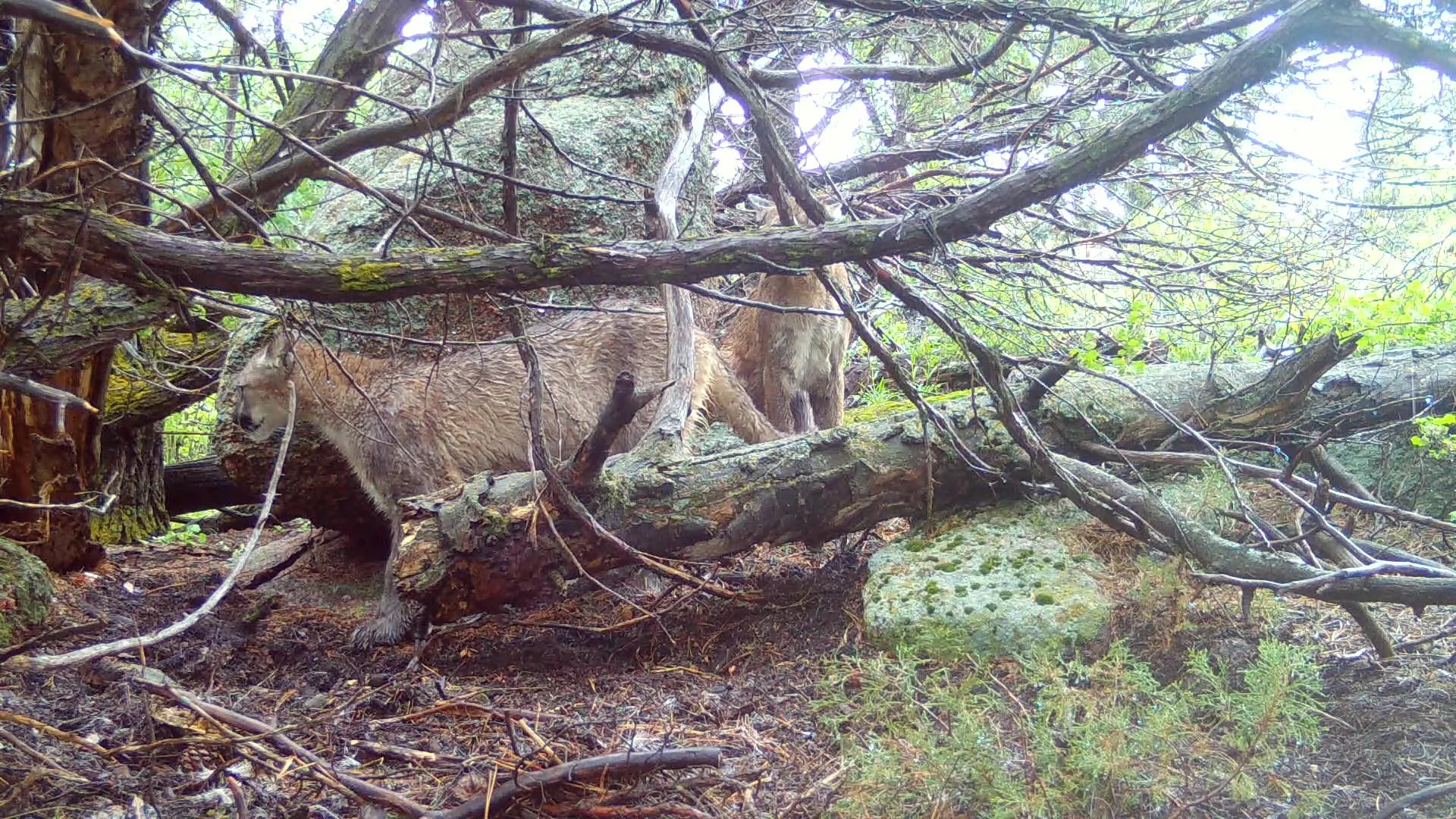
One of the mountain lion kittens.
There are moments in the wild—quiet moments, when the wind pauses long enough for you to hear your own heartbeat—when the truth rises with a clarity that can’t be ignored: wildlife deserve better from us. Every living organism, from the mountain lion padding silently through the timber to the sagebrush gripping the dry earth with its ancient roots, deserves our unwavering support. Not the kind of support that bends nature toward human utility, but the kind that restores the integrity of the land itself. As Muir once reminded us, the world is not made solely for us; we are only one small thread in the wider tapestry. And after decades in the field, I can say without hesitation that our place in that tapestry is fragile, entirely dependent on the strength of the threads around us.
Natural systems do not exist merely to satisfy human wants—be they the thrill of a photograph, the pride of a filled tag, or the comfort of resource extraction. These systems exist because life persists, because countless species have adapted and intertwined over millennia, building a kind of quiet, robust intelligence into the land itself. Take some time to understand the seed of mountain mahogany, with its two inch feather as it becomes wet from fall rain, dries out and corkscrews the seed into the ground. When biodiversity flourishes, everything else follows: clean water descending from healthy headwaters, clean air born of thriving plant communities, soils rich with the unseen labor of insects, fungi, and roots. Ecosystem health is planetary health, and humans are no exception to that rule. When we ignore this truth, we ignore our own survival.
I’ve spent the last twenty-one years tracking and filming mountain lions—more than 30,000 hours of boots-on-the-ground learning from one of the continent’s great keystone species. And when lions are present, truly present and allowed to live out their ecological roles, the land responds. I hear more birds. Riparian areas breathe again, growing lush and layered with life. The deer move differently, healthier and more alert, shaping the vegetation with more natural rhythms. Predator and prey become co-authors of a thriving watershed. These are not abstractions; I’ve watched it unfold with my own eyes, season after season, year after year.
This truth extends far beyond mountain lions. Beavers slow the water and build whole wetlands with their teeth. Prairie dogs create towns that feed raptors, foxes, coyotes, and badgers, and aerate the very soil beneath our feet. Sagebrush—often overlooked, brushed aside—anchors entire ecosystems across the West, feeding pronghorn, sheltering songbirds, and shading moisture that would otherwise be lost to the sun. These are keystone species, pillars of stability in wild systems. Remove them, and the architecture of life collapses.
When we view wildlife only through the lens of personal use—what we can extract, capture, or take home—we reduce these living, breathing contributors to mere commodities. We miss their true value: their capacity to sustain the biodiversity that sustains us. We miss the intricate, essential work they perform every day simply by existing in the roles evolution shaped for them.
And ultimately, the choice before us is stark in its simplicity. We either support healthy ecosystems, or we accelerate the demise of the planet that carries us. There is no complicated equation here, no hidden variable. Life thrives when diversity thrives. Life declines when diversity is stripped away.
We are wise to spend as much time in wild places, celebrate and share what we experience, and support what we and all living organisms are dependent on. Wild, healthy, intact ecosystems.